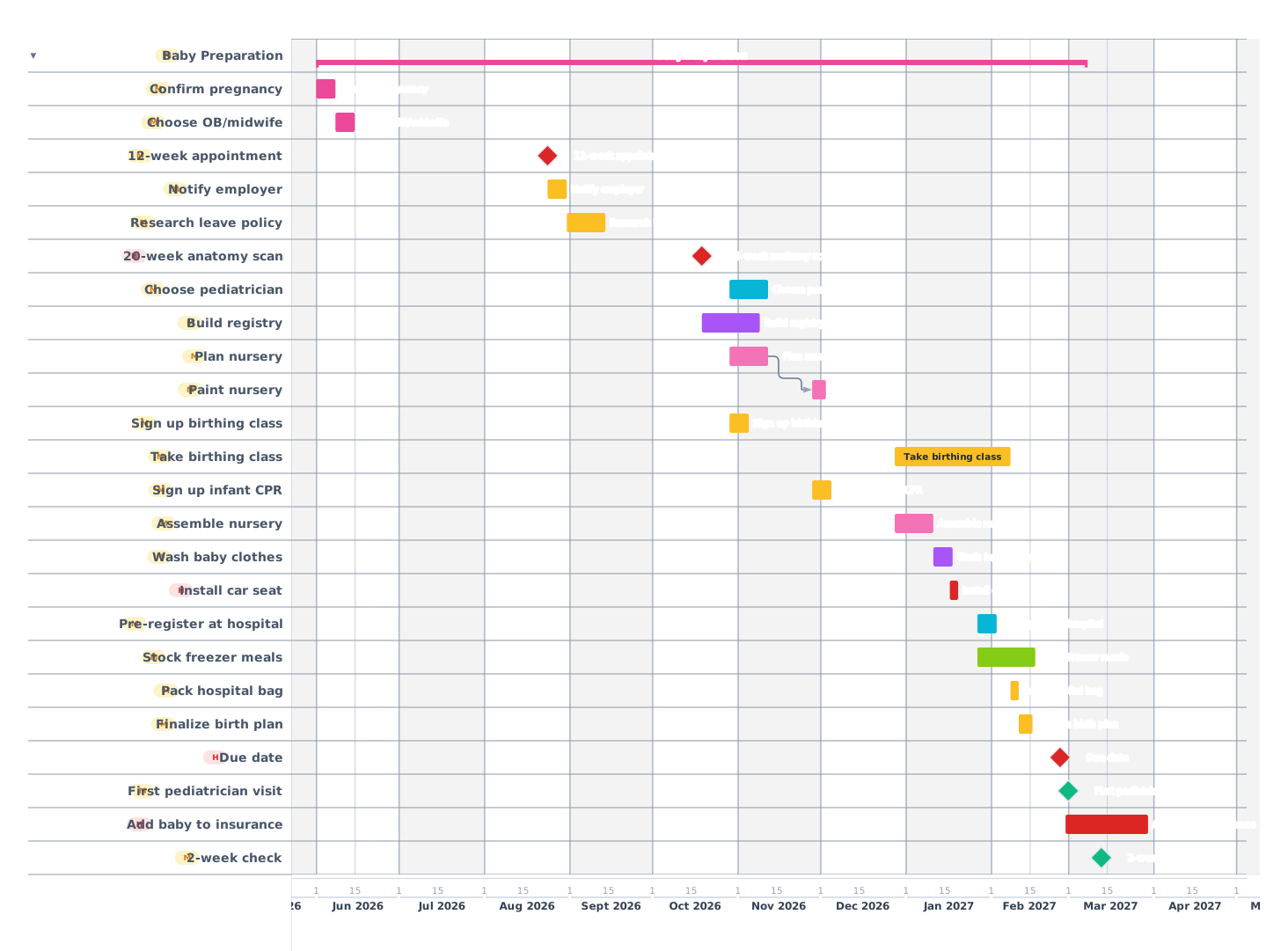
A 9-month pregnancy and baby-prep plan covering prenatal care, nursery setup, classes, the hospital bag, the registry and the first weeks home, written for first-time parents who want a checklist that does not feel overwhelming.
Preparing for a first baby is overwhelming because everything seems urgent and the timeline is non-negotiable. This template breaks the 9 months into trimesters with realistic timing for each task: when to take prenatal classes, when to set up the nursery, when to pack the hospital bag. It also includes the first 4 weeks after the baby is home, which is where most plans abruptly end.
How 9 months of baby prep break down
01
First trimester: Confirm and care
Months 1–3
Confirm pregnancy, choose an OB or midwife, schedule the 12-week appointment. Start prenatal vitamins immediately. Tell your employer when you are comfortable (legally protected from 12 weeks in most jurisdictions). Most people delay public announcement until the end of the first trimester.
Confirm pregnancy
Choose OB/midwife and book 12-week appointment
Start prenatal vitamins
Notify employer when ready
Research maternity/paternity leave policy
02
Second trimester: Plan and learn
Months 4–6
The most productive trimester. Most people feel best now. 20-week anatomy scan. Plan the nursery (paint by month 6 to let fumes off-gas). Build the registry. Sign up for birthing classes, breastfeeding class, and infant CPR. They tend to be 6–8 week courses scheduled for the third trimester.
20-week anatomy scan
Choose pediatrician and book newborn appointment
Plan and paint the nursery
Build registry (Amazon, Babylist, etc.)
Sign up for birthing class
Sign up for infant CPR class
Take maternity photos (if desired)
03
Third trimester: Build the nursery, pack the bag
Months 7–9
Assemble crib, dresser, glider. Wash baby clothes and bedding in fragrance-free detergent. Install the car seat by month 8. Most fire stations check installations free. Pack the hospital bag by week 36. Submit pre-registration paperwork to the hospital. Stock the freezer with meals for the first month home.
Assemble nursery furniture
Wash baby clothes and bedding
Install car seat (check at fire station)
Pack hospital bag (week 36)
Hospital pre-registration
Stock freezer meals
Finalize birth plan
Pack a bag for the partner too
04
First 4 weeks home
Month 10
The plan does not end when the baby arrives. First pediatrician visit at 2–5 days. Newborn screening, bilirubin check. 2-week and 4-week pediatrician visits. Track feeding and diapers in the first 2 weeks. This is what the pediatrician asks about. Sleep when the baby sleeps (everyone says it, it is still the right advice).
First pediatrician visit (2–5 days)
Track feeding and diapers (first 2 weeks)
2-week pediatrician check
4-week pediatrician check
Submit birth certificate paperwork
Add baby to health insurance (30-day deadline)
Take a parental-leave shift schedule
Tips from real first-time parent plans
01Paint the nursery by month 6 so fumes are gone by the time the baby arrives.
02Get the car seat installed and checked by a CPST (Child Passenger Safety Technician). Most fire stations do this free.
03Stock the freezer with 20–30 meals during the third trimester. The first month home is not the time to cook.
04Add the baby to your health insurance within 30 days of birth. Miss the window and you wait until open enrollment.
05Pack the hospital bag by week 36. Babies do not always wait for the due date.
Frequently asked questions
When should I tell my employer?
Legally, you can wait until 15 weeks before the due date in most jurisdictions. Practically, telling them at 14–20 weeks gives time to plan coverage.
When should I take a birthing class?
Sign up by month 5. Most classes are 6–8 week series scheduled for the third trimester. They book up.
When is the latest I can install the car seat?
You cannot leave the hospital without one. Install by month 8 and get it checked. The hospital will inspect before discharge.
 Gantt Chart Maker