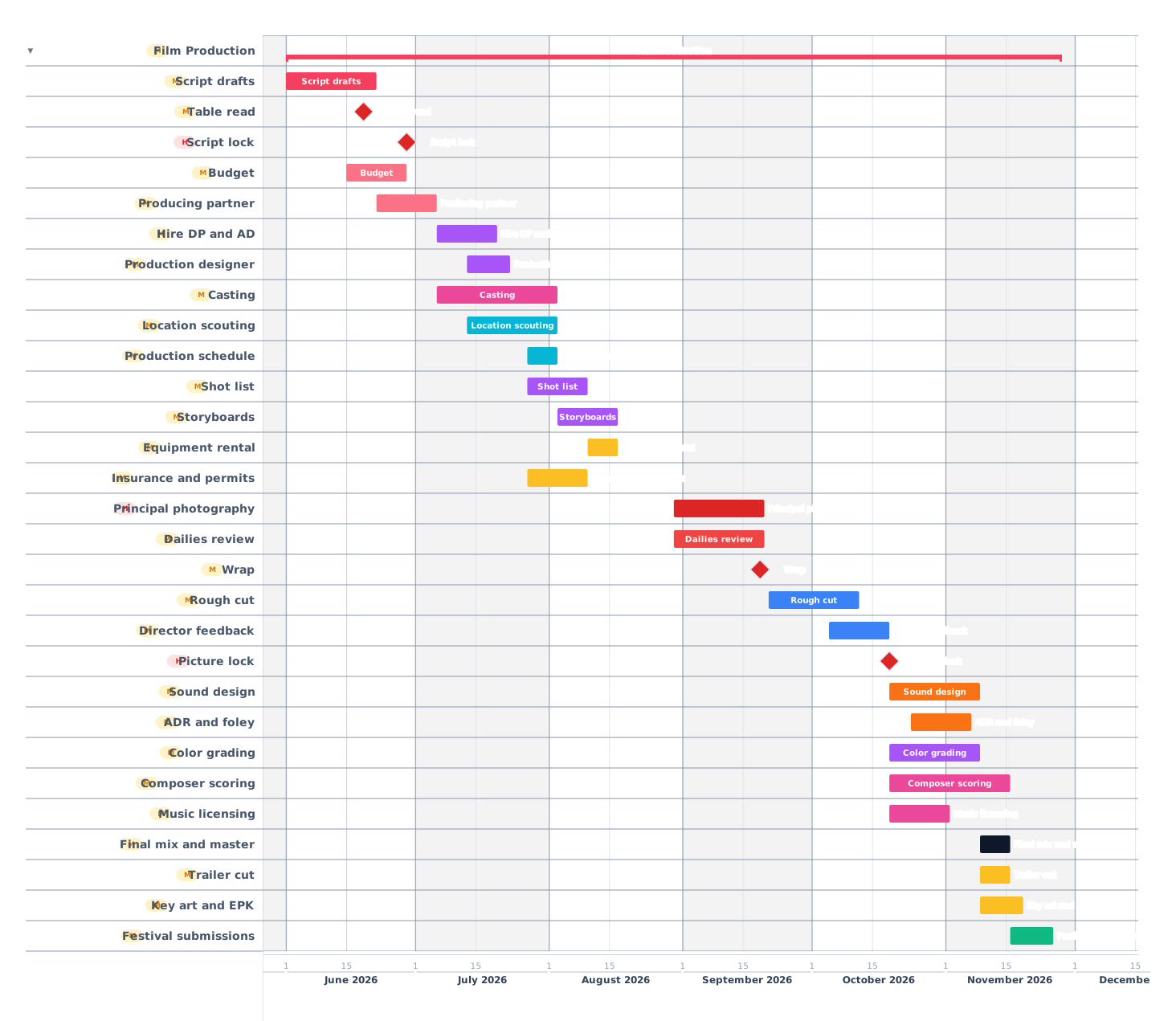
A 6-month short film or feature production plan covering development, pre-production, production, post, sound, color, music and distribution, with the rolling departments that decide whether a film stays on schedule.
Film production is one of the most logistically dense projects in the creative world. Pre-production sets up everything (location, crew, cast, equipment, schedule) so that the shoot, which costs the most per day, runs without surprises. This 6-month template covers a short film or low-budget feature. The pre-pro and post-pro phases are intentionally long because compressed schedules in either reliably hurt the final film.
How a 6-month film project breaks down
01
Development
Month 1
Script lock: multiple drafts, table reads, feedback. Budget. Producing partner or production company attached. Pitch deck if seeking financing. Most projects spend more time in development than any other phase; that is fine, because the script and budget are the foundation everything sits on.
Script drafts (3–5 passes)
Table read
Lock script
Budget
Producing partner
Pitch deck (if seeking financing)
02
Pre-production
Months 2–3
Crew hiring, casting, location scouting, schedule, shot list, storyboards, equipment rental, insurance. Pre-production failures cause production day overruns. Spend the time here so the shoot is execution, not problem-solving.
Hire key crew (DP, AD, production designer)
Casting
Location scouting
Production schedule (shoot order)
Shot list and storyboards
Equipment rental
Insurance and permits
Catering and craft services
03
Production
Month 4
The shoot: typically 2–6 weeks for short films, 4–8 weeks for low-budget features. 10–12 hour days are common but unsustainable past 5 days/week. Daily call sheets distributed by 6pm the day before. Dailies reviewed each evening. Coverage notes: every scene shot from enough angles to give the editor real options.
Daily call sheets
Principal photography
Dailies review (each evening)
Coverage notes
Wrap each location with checklist
04
Post: picture
Month 5
Editor assembles a rough cut. Director and producer feedback rounds. Picture lock: the final cut where no more scene changes happen. After picture lock, sound design and color grading begin in earnest. Locking picture is the most-missed milestone in indie film, because every additional change cascades into sound and color.
Rough cut
Director feedback
Producer feedback
Picture lock
VFX work if applicable
05
Post: sound, color, music
Month 5–6
Sound design, ADR (additional dialogue recording), foley, mix. Color grading. Composer scores to picture-lock. Music supervision for any licensed tracks. Final mix and master. These three departments work in parallel after picture lock.
Sound design
ADR sessions
Foley
Sound mix
Color grading
Composer scoring
Music licensing
Final mix and master
06
Distribution
Month 6
Deliverables: master files in multiple formats, closed captions, trailer cut, key art, EPK. Festival submissions if going that route. Most festivals require 6+ months lead time. Distribution strategy: festivals first, then streaming, or direct to streaming/VOD.
Master deliverables (multiple formats)
Closed captions
Trailer cut
Key art and EPK
Festival submissions
Distribution strategy
Tips from finished films
01Lock the script before pre-production. Changes after pre-pro lock cost real money.
02Spend more time in pre-production than feels comfortable. The shoot is execution, not problem-solving.
03Daily call sheets out by 6pm the day before. Late call sheets ripple into every department.
04Lock picture before sound, color, or music start in earnest. Every late picture change cascades.
05Submit to festivals 6+ months before the date. Late submissions are the most common reason indie films miss their target festival.
Frequently asked questions
How long does a film take to make?
Short film: 3–6 months. Low-budget feature: 9–18 months. Studio feature: 2–4 years. This template targets the short film / low-budget feature case.
What is the most common cause of overruns?
Insufficient pre-production. Compressed pre-pro reliably produces a chaotic shoot, which produces a worse film for the same budget.
Should I submit to festivals or go direct to streaming?
Depends on the film. Genre films and shorts often do better with the festival route; documentaries often benefit from a streaming-first strategy. Decide before locking picture.
 Gantt Chart Maker