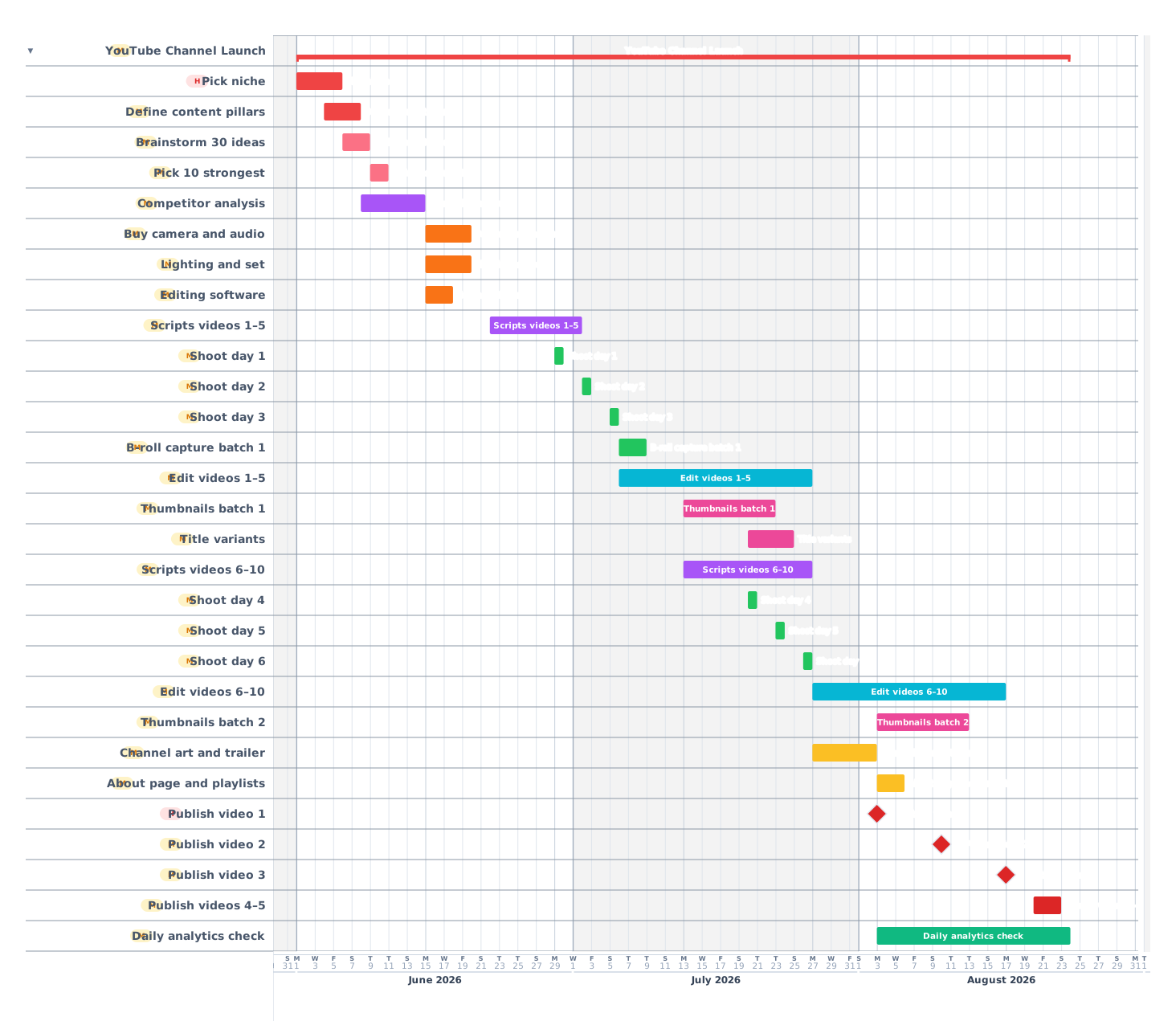
A 12-week YouTube channel launch covering niche, gear, content pillars, batch recording, thumbnails, channel art and the first 10 videos that decide whether the algorithm starts recommending you.
Most new YouTube channels stall at the 100-subscriber wall because they post 4 videos in 4 weeks and quit. The algorithm needs signal: at least 10 videos within 12 weeks, so it can learn what your channel is about and who to recommend it to. This 12-week template plans the first 10 videos as a batch with the thumbnail discipline, packaging, and consistency the algorithm rewards.
How a 12-week YouTube launch breaks down
01
Niche and content pillars
Weeks 1–2
Pick a niche specific enough that you can be the best at it. Define 3–5 content pillars: recurring themes the channel will return to. Brainstorm 30 video ideas across the pillars. Pick the 10 strongest as the launch batch. Watch your top 20 competitors and document what is working in your niche.
Pick niche
Define 3–5 content pillars
Brainstorm 30 video ideas
Pick 10 strongest
Competitor analysis (top 20)
Define channel value prop
02
Gear and setup
Week 3
Camera (Sony ZV-1, Sony A7C, or your phone: phones produce excellent video in 2026). Lighting (a soft key light is the single biggest visual upgrade). Audio (RØDE VideoMic Pro, Shure MV7, or wireless lavalier). Editing software (DaVinci Resolve free, or Final Cut, or Premiere). Background or set design.
Camera
Lighting (soft key light)
Audio (avoid phone mic)
Editing software
Background or set
03
Script and shot batch 1
Weeks 4–6
Write scripts for videos 1–5. Strong hook in the first 10 seconds: viewer retention is measured starting at second 0. Shot list per video. Batch-record on 2–3 dedicated shoot days. Batching beats one-off recording by 30–40% on time efficiency.
Scripts for videos 1–5
Shot lists
Shoot day 1 (videos 1–2)
Shoot day 2 (videos 3–4)
Shoot day 3 (video 5)
B-roll capture
04
Edit and thumbnail batch 1
Weeks 6–8
Edit videos 1–5. Average 5–10 hours of editing per finished 10-minute video. Thumbnails are 50% of click-through rate: design 3 variants per video and A/B test using YouTube's thumbnail tester. Titles tested separately. End screen and cards setup.
Edit videos 1–5
Color grade
Audio levels and music
Design 3 thumbnails per video
Title variants
End screen and cards
05
Script and shot batch 2
Weeks 7–9
Scripts and shoot for videos 6–10. By this point you know what worked in batch 1 (assuming you have started publishing): apply the lessons immediately. Iterate on hooks, thumbnails, and pacing.
Scripts for videos 6–10
Shoot day 4 (videos 6–7)
Shoot day 5 (videos 8–9)
Shoot day 6 (video 10)
B-roll for batch 2
06
Launch and publish cadence
Weeks 9–12
Channel art, channel trailer (60 seconds), about page, playlist setup. Publish video 1 in week 9. Then 1 video per week through week 12: consistency teaches the algorithm. Monitor analytics: CTR, retention curve, average view duration. Iterate based on what is working.
Channel art and trailer
About page and playlists
Publish video 1
Publish video 2 (week 10)
Publish video 3 (week 11)
Publish videos 4–5 (week 12)
Daily analytics check
Tips from channels that broke 1,000 subs
01Pick a niche specific enough to be the best at. Broad channels stay invisible.
02Batch-record. Three shoot days produce 5 videos faster than 5 weekly shoots.
03Design 3 thumbnails per video and test. Thumbnails are 50% of click-through rate.
04Strong hook in the first 10 seconds. Retention is measured from second 0.
05Publish weekly for the first 12 weeks minimum. Consistency teaches the algorithm what your channel is.
Frequently asked questions
How long does it take to grow a YouTube channel?
Channels that monetize (1k subs + 4k watch hours) typically take 12–24 months of consistent weekly uploads.
How many videos should I have at launch?
Have 10 videos planned, 5 recorded, 3 fully edited before publishing video 1. The buffer prevents the burnout that kills most new channels.
Phone or camera?
A modern flagship phone produces excellent video. The bigger upgrade is lighting and audio, not the camera body.
 Gantt Chart Maker