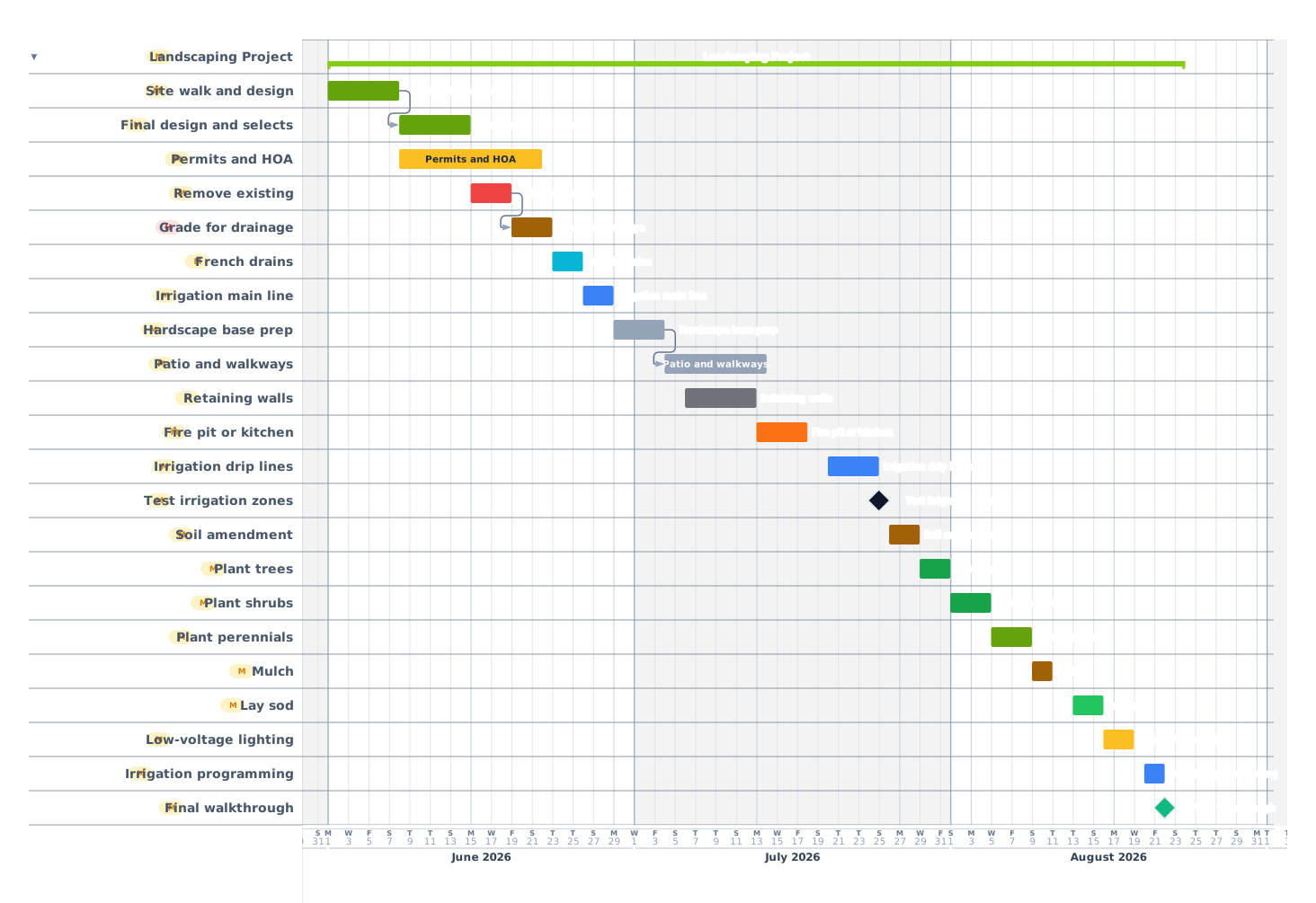
A 12-week landscaping plan covering design, grading, irrigation, hardscape, planting, sod and lighting, in the order of operations that keeps crews from trampling expensive plants.
Landscaping projects fail when the order of operations is wrong. Planting before the irrigation goes in means digging up new plants. Pouring the patio before the drainage means water in the basement. Sod before the irrigation works means brown sod within a week. This 12-week template lays out the sequence experienced landscape contractors actually use: grading first, then drainage, then irrigation rough, then hardscape, then planting, then sod and lighting.
How a 12-week landscaping project breaks down
01
Design and approvals
Weeks 1–2
Walk the yard with a designer or sketch it yourself. Decide hardscape (patio, walkway, retaining walls), planting beds, lawn area, and irrigation zones. Pull permits for any retaining wall over 4 ft, fences, and pools. HOA approval may take 2–4 weeks.
Site walk and rough design
Final design and material selections
Permits (retaining walls, fences)
HOA approval (if applicable)
02
Site prep and grading
Weeks 3–4
Remove existing landscaping you are not keeping. Grade the site to direct water away from the house: minimum 6 inches in the first 10 feet. Install drainage (French drains, downspout extensions, dry wells). Rough in the irrigation main line and valve boxes.
Remove existing landscaping
Grade for drainage
French drains and downspout extensions
Irrigation main line and valve boxes
03
Hardscape
Weeks 5–7
Patios, walkways, retaining walls, fire features. Concrete needs a base of 4–6 inches of compacted gravel; pavers need 6 inches of base and 1 inch of sand. Retaining walls need drainage behind them. Hardscape is the slowest phase because every layer needs to be right before the next goes on.
Excavate and prep patio base
Pour or set patio
Install walkways
Build retaining walls
Fire pit or outdoor kitchen
04
Irrigation and planting
Weeks 8–10
Run irrigation drip lines through the planting beds. Test all zones before backfilling. Amend the soil. Most yards need 2–3 inches of compost worked into the top 6–8 inches. Plant trees first (largest), then shrubs, then perennials. Mulch 2–3 inches deep, keeping mulch off the trunks.
Irrigation drip lines
Test all zones
Amend soil with compost
Plant trees
Plant shrubs and perennials
Mulch
05
Sod, lighting, finish
Weeks 11–12
Sod is laid last so it is not trampled by everything else. Water sod heavily for the first 2 weeks. Low-voltage lighting installs over the same week: path lights, uplights on trees, and any feature lighting. Final walkthrough and irrigation programming.
Lay sod
Water sod heavily for 14 days
Low-voltage lighting install
Irrigation controller programming
Final walkthrough
Tips from finished landscapes
01Grade for drainage before anything else. Water that does not move ruins everything downstream.
02Run irrigation BEFORE you plant. Digging up new plants to add a drip line is a frustrating afternoon.
03Sod is the last thing in. Anything that walks across new sod kills it.
04Mulch 2–3 inches deep, never against the trunk. Mulch volcanoes rot bark.
05Plant trees first, then shrubs, then perennials. Largest plants drive the layout decisions for everything around them.
Frequently asked questions
When is the best season to landscape?
Spring or fall for planting. Hardscape can happen year-round in mild climates; cold regions are limited to April–October.
What is the most common mistake?
Skipping the grading step. A perfectly designed landscape on a poorly graded yard is a landscape with water in the basement.
Can I phase this over multiple years?
Yes. Hardscape and grading in year 1, planting in year 2, lighting in year 3 is a common phasing.
 Gantt Chart Maker