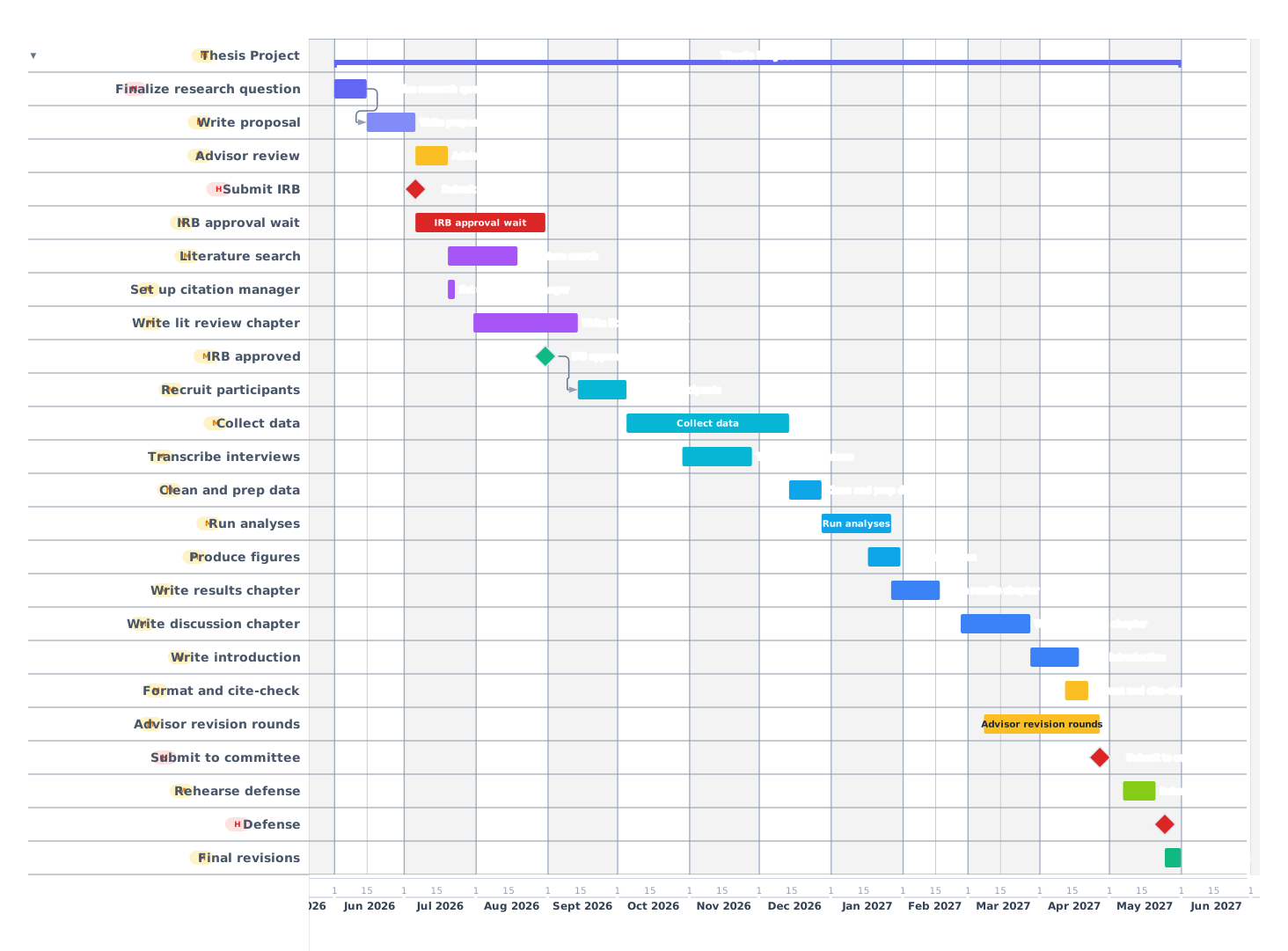
A 12-month thesis plan covering proposal, IRB, literature review, data collection, analysis, writing, defense and submission, with the buffers your advisor will tell you to add.
Most thesis and dissertation projects slip schedule by 3–6 months because the writing phase is dramatically underestimated. This 12-month template assumes you start with an approved topic and end with a successful defense. The two biggest unknowns, the IRB approval timeline and how long data collection actually takes, are flagged as high-priority items that drive the rest of the plan.
How a 12-month thesis breaks down
01
Proposal and approval
Months 1–2
Write the thesis proposal: research question, methodology, literature gap. Get advisor and committee approval. Submit IRB or ethics review (human-subjects research only). IRB approval can take 4–12 weeks depending on the review type (exempt, expedited, or full board). Most students underestimate this.
Finalize research question
Write proposal draft
Advisor and committee review
Submit IRB or ethics application
Wait for IRB approval (4–12 weeks)
02
Literature review
Months 3–4
Comprehensive review of relevant literature. Use Zotero or Mendeley to manage citations. Build the theoretical framework section of your thesis as you read: do not save all the writing for the end. Aim for 80–150 sources for a master's thesis, 200–400 for a doctoral dissertation.
Build search strategy and keywords
Systematic literature search
Citation manager setup
Write the lit review chapter
Identify theoretical framework
03
Data collection
Months 5–7
Recruit participants or gather data per your methodology. Schedule weekly check-ins with your advisor to flag problems early. Track data as you go in a structured format: going back to clean and re-enter data later is the single biggest time sink in thesis projects.
Recruit participants
Collect data (surveys, interviews, experiments)
Weekly data integrity checks
Transcribe interviews (if applicable)
Build clean data set
04
Analysis
Months 8–9
Quantitative: clean data, run statistical tests, produce figures. Qualitative: code transcripts, identify themes, write memos. Either way, save the analysis files in a way that the future you (or a co-author) can rerun. Document every decision.
Clean and prepare data
Run analyses
Produce figures and tables
Document analytical decisions
Write results chapter
05
Writing
Months 10–11
Fill in the remaining chapters: introduction, discussion, conclusion. Send drafts to your advisor in chapter-sized chunks; whole-thesis drafts come back with less useful feedback. Plan for 3 rounds of revisions per chapter. Most students plan for 1 and then panic.
Write discussion chapter
Write introduction (last, often)
Write conclusion and limitations
Format per university template
Cite-check and reference list
Advisor revision rounds (3+)
06
Defense and submission
Month 12
Submit the full draft to the committee 4 weeks before the defense (university requirement varies). Prepare and rehearse the defense presentation. Defend. Final revisions per committee feedback. Submit to library, complete graduation paperwork, breathe.
Committee review draft (4 weeks before defense)
Prepare and rehearse presentation
Defense
Final revisions
Library submission and graduation paperwork
Tips from finished theses
01Submit IRB at the same time you start the lit review. The 4–12 week approval window is the single biggest hidden constraint.
02Write the lit review WHILE you read, not after. Most students lose 3–4 weeks trying to recall what they read 4 months ago.
03Send chapters to your advisor in chunks. A 200-page draft comes back with less useful feedback than three 60-page chunks.
04Track every data decision in a logbook. Future you will need to defend choices made 8 months earlier.
05Build a 2-month buffer at the end. Theses always take longer than planned.
Frequently asked questions
How long does a thesis actually take?
12–18 months for most master's theses; 3–5 years for doctoral dissertations. This template targets the 12-month master's case.
What is the most underestimated phase?
Writing. The data is interesting; the writing is grinding. Plan 3+ months and you will still want more.
When should I submit IRB?
The same week you submit your proposal. IRB review runs in parallel with the lit review. Start it as early as possible.
Open the thesis template, fit it to your university's deadlines, and you have a working 12-month plan with the buffers your advisor will tell you to add anyway.
 Gantt Chart Maker